coming into being
Our farm is young, but our ethos is clear. We refer to ourselves as “practicing organic”, because while not certified, we adhere completely to organic principles. All of our inputs including seed, potting soil, compost, and feed for our animals are certified organic. We use zero synthetic pesticides, herbicides, or fertilizers.
We are presently farming on incubator land, which is by design a temporary land access arrangement spanning no more than three years. As organic certification takes three years to acquire, pursuing it doesn't make sense for us at this time. We are well aware of the value so many place on organic certification, as an assurance that their food was grown safely, and promise our customers an unwavering commitment to the standard with or without the label. We look forward to proudly bearing it when we find our forever farm!
Regarding organic practices as the baseline for what not to apply to the land, we turn to regenerative, biodynamic, and permaculture practices to inform what and how we should apply natural resources to the land. All of these methods strive to mimic nature’s cycles and regard farms as self-sustaining living organisms.
Examples of the practices we use to steward this kind of holistic environment include: Animal integration in the growing field (ducks and pigs!) which reduces pest pressure, cuts down/recycles “waste”, and fertilizes the soil. Rotational cover cropping, which enables us to increase organic matter in the soil, control weed pressure, trap excess nitrogen, and reduce soil erosion/nutrient run-off. Applying compost teas and biodynamic preps, which balances/increases soil life, and supports our goal to reduce applications of compost and other natural inputs sourced off-farm.
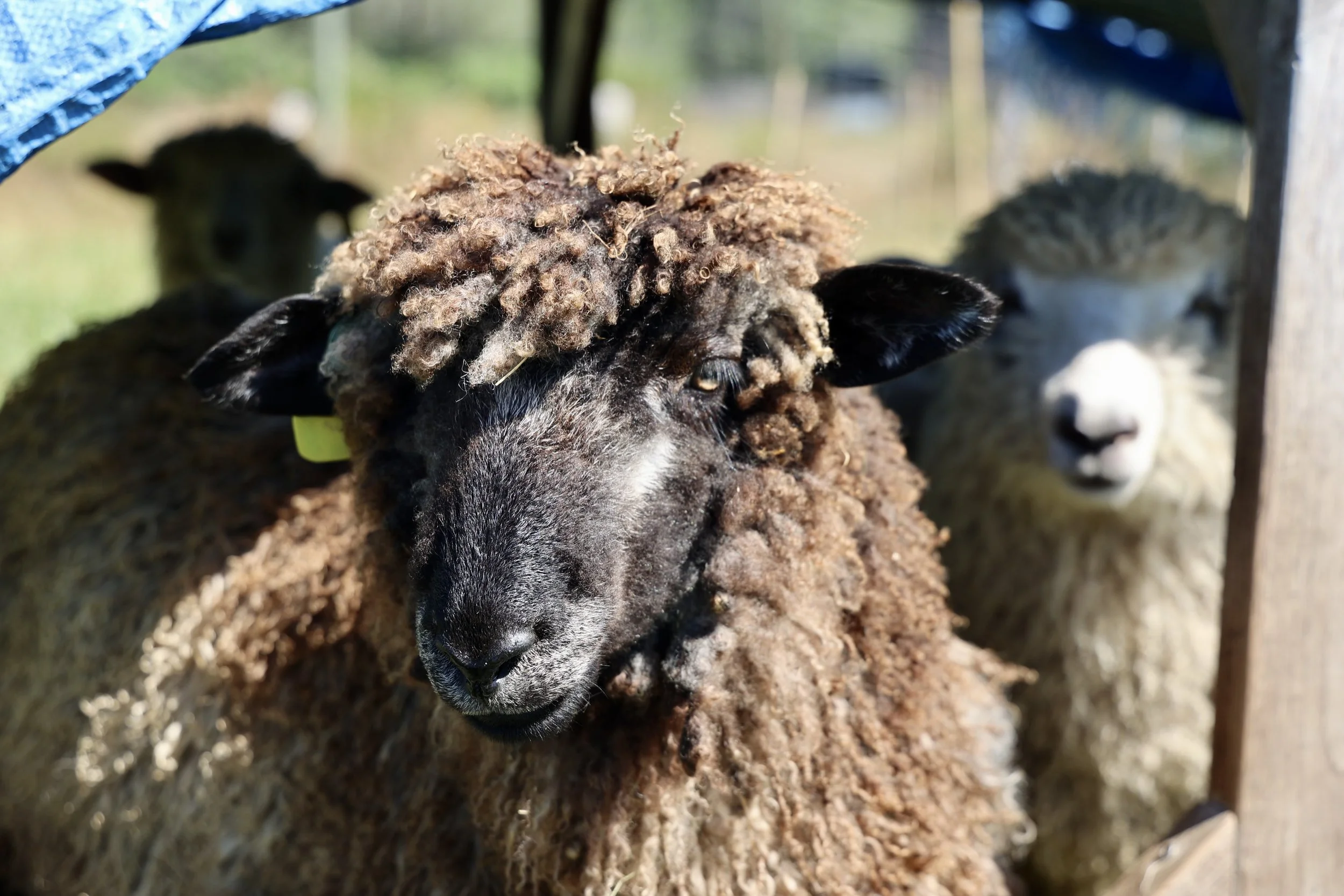
We also run livestock on 15 acres, offered to us by a local landowner looking to improve the health of their pasture. Our rotational grazing methods are increasing forage quality and quantity, and building healthier, more stable soil. Access to this land ensures our sheep are almost exclusively consuming fresh forage, with minimal organic hay supplementation in winter. Our chickens also play an integral part in pasture restoration, happily following behind our ruminant cohort, controlling pests, disease, and parasites in the process.
Wherever we farm, our objective will always be to leave the land in better condition than we found it, and to have a similar impact on the health of our community.
“…the care of the earth is our most ancient and most worthy and, after all, our most pleasing responsibility. To cherish what remains of it, and to foster its renewal, is our only legitimate hope.”
-The Art of the Commonplace: The Agrarian Essays of wendell Berry